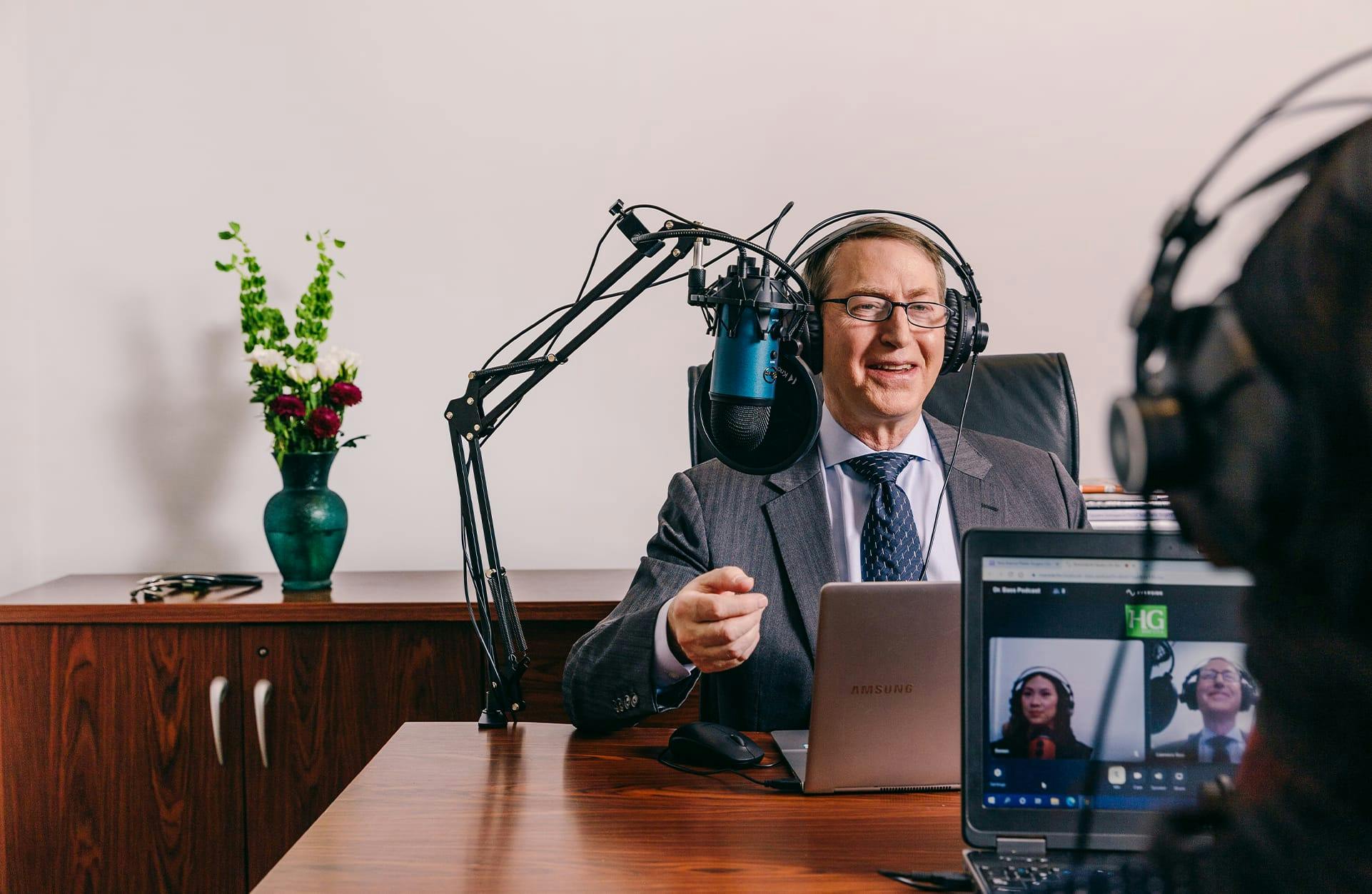
Watch:
Listen:
Most people focus on the facelift itself, but the real work starts long before surgery day. Dr. Lawrence Bass and Dr. Kylie Edinger talk about why the weeks leading up to a facelift can shape everything from safety to final results.
They explain the behind-the-scenes prep plastic surgeons care about most, including medical clearance, blood pressure control, medications and supplements to pause, and why nicotine of any kind is a dealbreaker for uneventful healing.
Get their tips on practical at-home prep, from nutrition and protein intake to skin care, GLP-1 considerations, and recovery planning.
When you prepare your body properly, you give your facelift the best possible chance to succeed.
Check out more episodes from our facelift series
About Dr. Kylie Edinger
Dr. Kylie Edinger is a plastic surgeon practicing in Bozeman, Montana. During the creation of this facelift series, she was training as an aesthetic plastic surgery fellow with Dr. Bass and a host of other world class plastic surgeons at Manhattan Eye, Ear, and Throat Hospital in New York City. Part of the prestigious Northwell Health program, this is one of the top aesthetic plastic surgery fellowships in the country. Dr. Edinger completed her plastic surgery residency at the University of Wisconsin.
Follow Dr. Edinger on Instagram @kylieedinger
About Dr. Lawrence Bass
Innovator. Industry veteran. In-demand Park Avenue board certified plastic surgeon, Dr. Lawrence Bass is a true master of his craft, not only in the OR but as an industry pioneer in the development and evaluation of new aesthetic technologies. With locations in both Manhattan (on Park Avenue between 62nd and 63rd Streets) and in Great Neck, Long Island, Dr. Bass has earned his reputation as the plastic surgeon for the most discerning patients in NYC and beyond.
To learn more, visit the Bass Plastic Surgery website or follow the team on Instagram @drbassnyc
Subscribe to the Park Avenue Plastic Surgery Class newsletter to be notified of new episodes & receive exclusive invitations, offers, and information from Dr. Bass.
Transcript
Summer Hardy (00:01):
Welcome to Park Avenue Plastic Surgery Class, the podcast where we explore controversies and breaking issues in plastic surgery. I'm your co-host, Summer Hardy, a clinical assistant at Bass Plastic Surgery in New York City. I'm excited to be here with Dr. Lawrence Bass, Park Avenue plastic surgeon, educator and technology innovator. This episode in our facelift series is titled Prep for Success. What are we talking about in this episode, Dr. Bass?
Dr. Lawrence Bass (00:28):
This episode focuses on a lot of important steps and actions that both patients and surgeons take before a facelift to tee things up for a smooth, successful course. These are things that help minimize risk of a complication or healing problem, ensure that your body is ready for surgery and ready for the healing that follows.
Summer Hardy (00:54):
What medical things need to be taken care of ahead of time?
Dr. Lawrence Bass (00:57):
The first thing in getting ready for a facelift or really any surgery is understanding overall health, the severity of any medical conditions, and that's before we start to think about the aesthetic needs.
Dr. Kylie Edinger (01:14):
Yeah, some patients need to obtain medical clearance before they can safely undergo surgery. This is usually required for patients over a certain age as predetermined by their surgeon, as well as any patients who have a significant medical condition that would need a clearance. Clearance is usually involved with seeing your primary care physician and gaining a history physical exam, and then usually some laboratory testing or blood work and then an EKG to make sure you're set. There could be additional testing for more specific or severe medical problems. Your primary care doctor may ask you to also see a specialist in one of those areas to make sure that you're safe for surgery and if your medical conditions need to be optimized before you are cleared and deemed safe for surgery than your primary care doctor will help you to optimize those with the goal of getting you cleared for surgery hopefully.
Dr. Lawrence Bass (01:57):
And from that point in this optimized state, a go no go decision about whether it's safe to have surgery can be made. So this doesn't apply to most patients. Facelift has low surgical stress. Most patients are more than healthy enough, but for older patients or those with health issues, this has to be looked at very carefully right at the outset. This is mostly about cardiovascular risk, any lung conditions and metabolic health, things like diabetes and good glucose control.
Summer Hardy (02:36):
Earlier you mentioned that there are things to help minimize risk of a complication. What are some of those?
Dr. Kylie Edinger (02:42):
The first and foremost is going to be bleeding before surgery. We stop any medications that might interfere with blood clotting like aspirin, NSAIDs, any other anti-platelet medications like Warfarin, Coumadin, Plavix, Eliquis. There are a lot of other ones. We'll check with your internist and cardiologist before stopping these medications just to make sure that it's safe to do so. There are some conditions where it's not safe to stop those, so we need to make sure we can actually do that for surgery. And then there are many nutritional supplements that can also inhibit clotting and promote bleeding interestingly. So we do hold nutritional supplements before surgery to keep you safe.
Dr. Lawrence Bass (03:20):
And because bleeding is the most common risk we also need the blood pressure tightly controlled, tighter than normal for walking around. So as someone who has high blood pressure over decades, that puts them at increased risk for heart attack, stroke, kidney failure, other kinds of health problems. Preventing bleeding during surgery means the pressure needs to be a little bit lower than what we would consider safe for walking around. Although the walking around anti-hypertensive standards have gotten a lot stricter over the past few decades. In my practice, I notify the primary care doctor. I send a note explaining what kind of blood pressure control is necessary, and this means sometimes dosing of an antihypertensive medication is adjusted or a new antihypertensive medication is added temporarily around the time of the surgery, there's a long list of nutritional supplements that promote bleeding. So it's probably best just to stop all of them to be safe rather than trying to puzzle through what's in some of these things. But just a few of these, and there are many, many that can potentially interfere with bleeding, include anise or licorice, ginkgo biloba, fish oils or omega fatty acids in high doses, high doses of vitamin E and turmeric. So those are just a few. I will mention though vitamin E, a typical multivitamin has 200 international units of vitamin E. Perfectly okay to stay on a standard multivitamin, but if you're taking high doses of anything, trying to really push that particular nutritional supplement, probably a good idea to back off on around the time of surgery.
Summer Hardy (05:22):
That all makes sense. What other steps are needed to minimize risk?
Dr. Kylie Edinger (05:27):
The risk we worry about is skin loss from skin necrosis or skin deaths, and that risk is greatly increased with nicotine use, either from smoking, chewing tobacco, vaping. Marijuana also increases the risk because it's often mixed with tobacco, but even pure marijuana also increases the risk of skin loss independently. So you have to make sure that you're not taking any of those nicotine containing products for several weeks before surgery,
Dr. Lawrence Bass (05:53):
And that's not critical for every type of surgery, but it's a very critical issue for a surgery like facelift. Fortunately for non-smokers or people that don't use any of these products, that's a low risk normally. But for smokers or anyone who's taking nicotine in any form, even with cessation for several weeks, there's still increased risk of skin loss.
Summer Hardy (06:23):
How long should people stop smoking, vaping, et cetera.?
Dr. Kylie Edinger (06:28):
The longer you stop smoking before surgery, the better. So if you can stop smoking for however long you can, the longer the better, but we typically recommend stopping at least four to six weeks before surgery. That would be the absolute minimum, not only for the risk of skin necrosis like Dr. Bass mentioned, but also for overall lung health and for undergoing anesthesia for surgery.
Dr. Lawrence Bass (06:47):
There are a couple of important points about this. Unfortunately, even a little bit of cheating really ruins it. Platelets become much more clottable. They clump much more easily with even a single exposure to nicotine in the several weeks before surgery. So it's really important to stop altogether. Some surgeons will actually test to see if you stopped. Others don't. But the important thing to remember is you can fool your surgeon, but you can't fool mother nature. And if mother nature knows you had some nicotine, she's going to punish you for that. Also important to remember, nicotine replacements like patches and gum also need to be stopped because the nicotine still has the same effect. However, oral medicines that reduce nicotine cravings, these are usually selective serotonin reuptake inhibitors or SSRIs. Those medications are okay, so sometimes that helps people with this no smoking period leading up to surgery.
Summer Hardy (08:00):
Okay. And you mentioned other health issues to consider. Can we go through some of those?
Dr. Kylie Edinger (08:06):
Long health is really important. We want your lungs to be in their best condition before you have anesthesia during surgery. This includes controlling and optimizing asthma, COPD, and then again, like we mentioned, stopping with nicotine use, smoking vaping and all marijuana before surgery.
Dr. Lawrence Bass (08:22):
We mentioned before diabetes or metabolic health. Good glucose control is important. Even though facelift is low stress, it can still push glucose levels higher, at least in the short term. If you have a glucose monitor or do finger sticks, you should bring that with you to the surgery. And another important thing that's become very important in the last couple of years is if you're taking a GLP-1 medication like Ozempic, Wegovy, Mounjaro, Zepbound, it's really important to stop that prior to surgery. The guidelines for how long you should stop are evolving, but basically you typically omit one weekly dose before the surgery.
Summer Hardy (09:10):
Okay. I think this all makes sense, but I also noticed these are all medical things. Are there other things patients can do to be ready for their facelift?
Dr. Lawrence Bass (09:19):
Well, one thing is making sure your nutrition is good because your body has to do the job of healing from the surgery. And so some surgeons will recommend nutritional supplements, and common ones include vitamin C. Vitamin C is needed to help with collagen synthesis, which your body uses to heal the incisions and the surgery. Another popular supplement is selenium, which is a mineral. There are some specialized pre and post-surgical nutritional supplements that some surgeons use that have a combination that the mix of which vitamins are in there is supposedly optimized, although it's hard to know what your body needs the most. But for people that want to ensure that they have everything nutritionally they need on a vitamin basis, that's a good way to do it. Arnica and bromelain are other nutritional supplements that help prevent bruising and that help break down bruising as best
(10:28):
we understand. The degree of utility of these medications is not a hundred percent clear or supplements because they're not actually pharmaceutical medications, but they seem to be safe when used as directed. And so some surgeons in some patients in an effort to minimize bruising will recommend these supplements, and arnica needs to be started in advance of the procedure. Overall, the most important thing in this regard is to be eating a balanced complete diet. If you get a little bit of everything and you have adequate protein in your diet, then you should be able to heal if you're healthy enough to have a facelift without difficulty after the procedure.
Dr. Kylie Edinger (11:16):
Yeah. I'll just echo what Dr. Bass said. In terms of protein, we have a lot of literature and data that reflects that a high protein diet before and after surgery, whether that be plastic surgery, general surgery, any surgery promotes wound healing and overall recovery following surgery. So that is something that is easy for patients to do well in advance of surgery and continue afterwards to make sure that they're in a good place to heal.
Summer Hardy (11:37):
Okay. Got it. And then what things can patients collect or buy to be ready?
Dr. Kylie Edinger (11:43):
Cool compresses are a great place to start and something you want to have on hand after surgery. There's a lot of options from fancy face straps with built-in ice packs to a good old Ziploc baggie filled with frozen peas. So whatever the patient wants to use is great, but there's lots of options on the market. You want to make sure you're going to have your medications ready, so anything that your surgeon asks you to have for after surgery, you want to pick up from your pharmacy, any recommended skin products and bandages, supplies, anything you're going to use that your surgeon is asking you to have, it's better to get it beforehand. You're also going to want a gentle skin cleanser and a shampoo and conditioner. People often use baby shampoo, but anything that's not irritating and safe for your skin and incisions will be great.
(12:25):
You're also going to want to invest in a good pair of sunglasses, scarves. I've even had patients use fake reading glasses. If they don't wear prescription glasses, you'll be shocked with those camouflage, especially when you're making it to your first pre-op appointments, going to the grocery store, things like that. And then speaking of grocery store, you're going to want to stock up on groceries beforehand so that you don't have to make frequent grocery store trips after your surgery. It's also helpful to have food prepared ahead of time too. Patients will often cook meals, things like that that they can easily heat up after surgery, and then your pillowcases and your towels are going to get a little dirty after surgery. Just put the drainage, the ointments, things like that. So consider buying ones that you're not going to miss afterwards, that you won't mind throwing away if they get dirty. And then invest in some extra pillows too that will help you sleep upright after surgery, even when you're just resting so that you're not laying flat and all that swelling is going to your head. There are wedges. They make those two, but a couple of extra pillows is a nice easy way to achieve that.
Dr. Lawrence Bass (13:20):
Usually your surgeon will tell you what you need or someone from the surgeon's staff and go over these things with you. Some surgeons furnish some of these items so that they know you have exactly what the surgeon wants rather than whatever you happen to run into at the store. So that makes it a little easier and takes a little bit of the worry and wonder out of it.
Summer Hardy (13:46):
And finally, what else can patients do ahead of time?
Dr. Kylie Edinger (13:50):
You're going to want to color your hair because you're not going to be able to do it for about four to six weeks afterwards. So doing it ahead of time will help make you less sad afterwards. And then you can also do some skin conditioning. You can either start some skin products to get your skin ready to heal from surgery and then stop using certain products like potentially retinols or glycolics in anticipation of surgery.
Dr. Lawrence Bass (14:10):
And this is a controversial thing because there are some surgeons who feel very strongly that being on retinoids or glycolics can create big healing difficulties, big skin reaction in an unpredictable way. And other surgeons, and I'm more in this group feel that patients that are on a growth factor skin product or a retinoid skin product actually have their skin is a little ramped up. It's all prepped and at a higher metabolic state and ready to jump in and heal after the surgery. So best thing is to, with your surgeon, understand your surgeon's perspective on this and follow the process that they know gets them great results.
Summer Hardy (15:01):
Okay, great. Can you summarize all of this information about preparation with some takeaways, Dr. Bass?
Dr. Lawrence Bass (15:08):
Absolutely. Getting a facelift is fun and exciting, but it's still medical care and taking the appropriate steps to crap in advance optimizes the procedure and subsequent healing. It helps keep things on schedule and helps you get the best possible result. So start early to get any medical issues sorted and medical conditions optimized if you have them. This will avoid postponing your surgery at the last minute because something showed up on clearance that didn't come in until a few days before the surgery. Go shopping and collect all the things you'll need for recovery, food, skin and hair care, pillows or wedge towels, pillow cases, and cool compresses just to name a few. There are some more activist options if you feel so inclined or if your surgeon feels it's very important with nutritional supplements, if you want to pursue them. It's essential to stop medications that can promote bleeding and to stop all smoking vaping and similar activities as directed by your surgeon. Remember, you can't fool mother nature, and this is a procedure in particular where you get punished for not following that rule. With these simple steps, you'll be prepared and optimized for faceless success.
Summer Hardy (16:41):
Thank you, Dr. Edinger and Dr. Bass for providing all of these useful tips for how to prepare for your facelift. The next episode in our facelift series will discuss instructions for taking care of your facelift during recovery from the procedure, which is vital information for anyone considering or about to undergo a facelift. Thank you for listening to the Park Avenue Plastic Surgery Class podcast. Follow us on Apple Podcasts, write a review and share the show with your friends. Be sure to join us next time to avoid missing all the great content that is coming your way. If you want to contact us with comments or questions, we'd love to hear from you, send us an email at [email protected] or DM us on Instagram @drbassnyc.